Maximizing the Slow Cooker
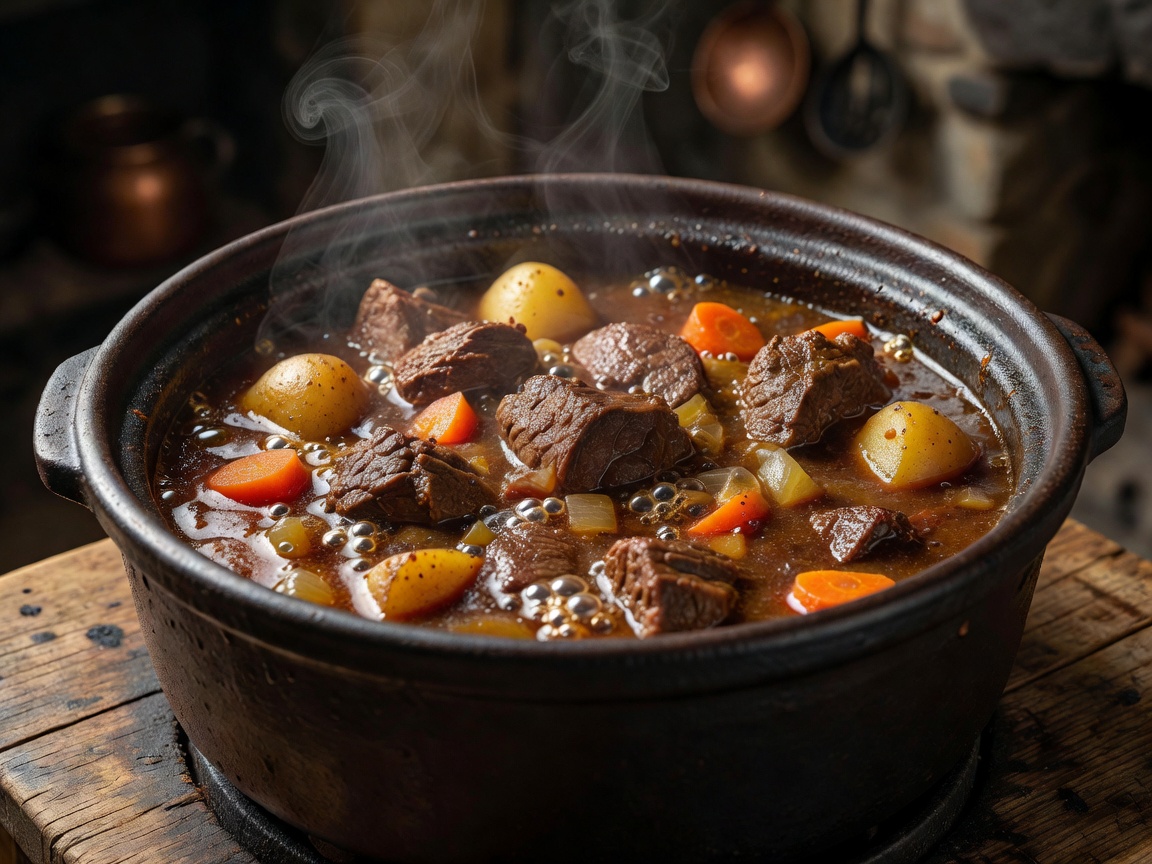
In an era dominated by high-speed pressure cookers and rapid convection ovens, the slow cooker remains an indispensable tool for fundamental culinary transformations. The breakdown of tough collagen into tender gelatin in inexpensive cuts of meat requires exactly what a slow cooker provides: gentle, sustained thermal application over an extended duration. Understanding the physical properties of these devices ensures better results and optimal food safety.
The Physics of Thermal Mass
The core philosophy of a traditional slow cooker relies heavily on thermal mass—specifically, the heavy, glazed ceramic crock that sits inside the metallic heating base. Ceramic is a poor conductor of heat, which in this context is a significant advantage. Because it heats up slowly, it prevents the aggressive scorching that can happen in thin metallic pots. Once the ceramic reaches temperature, it holds that heat exceptionally well, wrapping the food in a steady, omnidirectional thermal blanket rather than just heating from the bottom.
This lateral heat distribution allows stews, braises, and chili to simmer gently just below the boiling point. Rapid boiling in a braise causes meat fibers to seize and toughen; the gentle 200°F to 210°F (93°C to 99°C) environment of a slow cooker ensures fibers relax and break down gracefully.
Geometry: Oval vs. Round Configurations
Slow cookers are generally available in round or oval shapes, and the choice should be dictated by the user's primary cooking habits.
- Round Pots: Typically smaller (3 to 4 quarts) and geometrically ideal for liquid-heavy recipes like soups, curries, and chili. They offer a deeper pool for submersion.
- Oval Pots: Generally larger (6 to 8 quarts). The elongated shape is specifically engineered to accommodate large, intact cuts of meat, such as whole chickens, pork shoulders, or beef briskets, ensuring they lie flat and cook evenly without being forcibly folded into the crock.
Manual vs. Programmable Controls
The interface of a slow cooker has a profound impact on its utility, especially for users who are away from home for standard eight-to-ten hour workdays.
Manual slow cookers feature a simple mechanical dial (Off, Low, High, Warm). While incredibly durable, they require the user to be present to turn the machine down or off when the recipe is finished. Leaving a delicate dish on "Low" for ten hours can easily result in overcooked, mushy textures.
Programmable units utilize digital timers. A user can set a braise to cook on Low for precisely six hours. Once that time elapses, the internal logic board automatically shifts the heating element to a "Keep Warm" setting (usually around 165°F / 74°C). This halts the active cooking process while keeping the food well above the bacterial danger zone until the user is ready to serve.
Multi-Cookers vs. Dedicated Slow Cookers
It is important to note that many modern electric pressure cookers (multi-cookers) include a "Slow Cook" function. However, their physical architecture differs significantly from a dedicated slow cooker. Multi-cookers use thin stainless steel inner pots that lack the thermal mass of ceramic. They heat entirely from a bottom element rather than wrapping the heat up the sides. As a result, multi-cookers often struggle to replicate the even, gentle simmer of a traditional ceramic slow cooker, frequently resulting in unevenly cooked root vegetables or under-braised meats.
Searing Capabilities
The primary flaw of the standard slow cooker is the lack of a Maillard reaction; boiling meat in liquid does not create the complex, browned flavors required for a deep, rich stew. Traditional recipes require the user to sear the meat in a separate pan on the stove before transferring it to the crock. High-end modern slow cookers address this by featuring removable cast-aluminum inserts that can be placed directly on a gas or induction stovetop for searing, allowing the entire process to remain a one-pot affair while maximizing flavor development.