Precision in Coffee and Espresso Makers
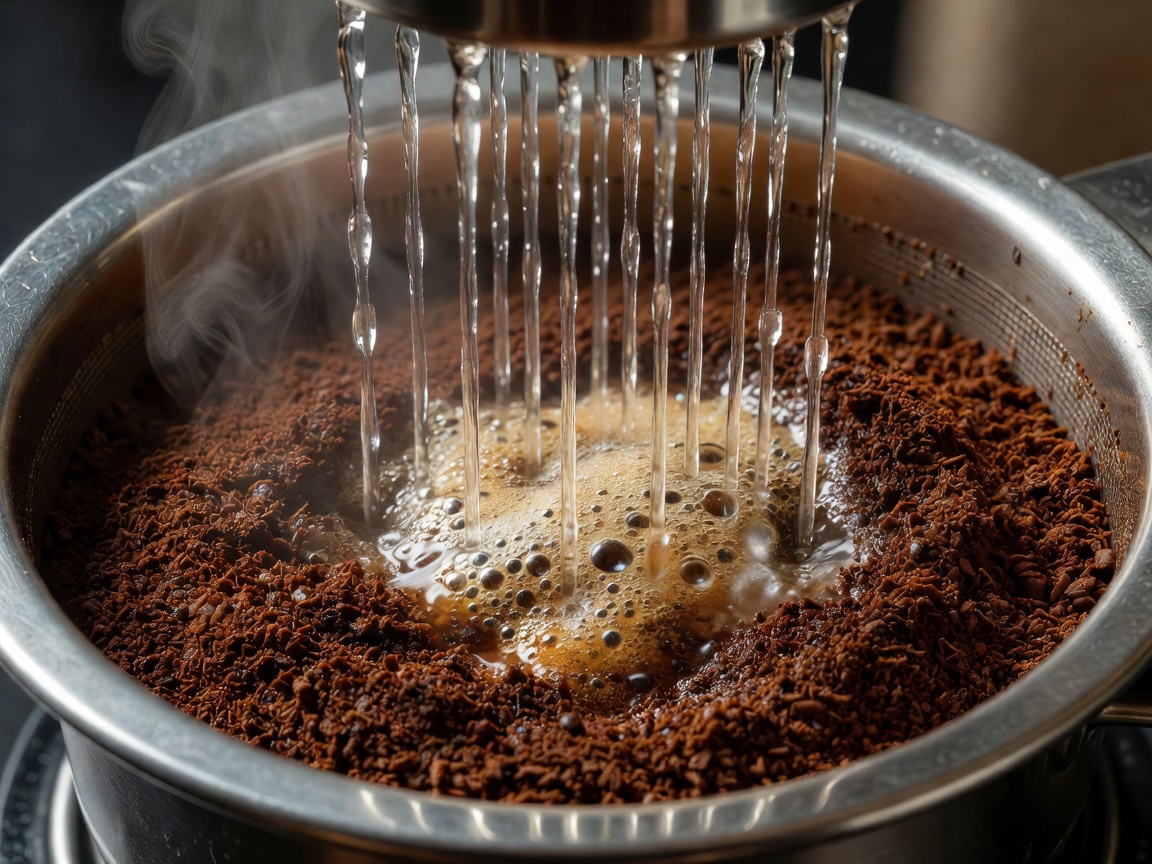
The transformation of roasted coffee beans into a complex, balanced beverage is fundamentally an exercise in chemistry. The variables that govern this process—water temperature, grind consistency, pressure, and contact time—must be strictly controlled. Understanding how different categories of coffee makers manage these variables is crucial to elevating your morning routine from a functional caffeine delivery system to a refined culinary experience.
The Science of Extraction
Coffee extraction is the process of dissolving flavor compounds from coffee grounds into water. Fruity and acidic notes extract first, followed by sweet and complex sugars, and finally, bitter tannins. The goal of any precision coffee maker is to stop this extraction process precisely at the sweet spot, avoiding both sour under-extraction and bitter over-extraction.
To achieve this, the appliance must heat water to an optimal range, universally recognized by specialty coffee associations as being between 195°F and 205°F (90°C to 96°C). Budget drip machines often fail to reach this threshold, resulting in flat, sour coffee. Precision machines utilize advanced thermoblocks or boiler systems to guarantee temperature stability throughout the entire brewing cycle.
Drip Machines: The Importance of the Showerhead
In automated drip coffee makers, the method of water delivery is just as important as the temperature. Standard machines often feature a single central spout that drips water directly into the middle of the coffee bed, leading to severe over-extraction in the center and under-extraction at the edges. High-end categories solve this by implementing wide, multi-hole showerheads that disperse water evenly across the entire surface area of the grounds, simulating the careful, concentric pouring technique of a manual pour-over.
Espresso: Pressure and PID Controllers
Espresso relies on a completely different mechanical approach. Rather than gravity, espresso machines utilize mechanical pumps to force hot water through a tightly compacted puck of finely ground coffee at approximately 9 bars of pressure. This intense pressure emulsifies the natural oils in the coffee, creating the characteristic layer of crema.
- Thermoblock Systems: Rapidly heat water on demand as it passes through a heated metal coil. They are quick to warm up but can struggle with temperature consistency during long pulls.
- Single Boiler Systems: Use one boiler for both brewing and creating steam for milk. Users must wait for the machine to change temperatures between tasks.
- Dual Boiler Systems: The gold standard for home enthusiasts, allowing for simultaneous brewing and steaming with absolute thermal stability.
Many modern precision espresso machines feature a PID (Proportional-Integral-Derivative) controller. This electronic algorithm constantly monitors and micro-adjusts the heating element, preventing the wild temperature swings common in older, mechanical thermostat designs.
The Crucial Role of the Grinder
No coffee maker, regardless of its technological sophistication, can compensate for poorly ground coffee. Blade grinders chop beans erratically, creating a mix of boulders and fine dust that leads to unpredictable extraction. Precision coffee requires a burr grinder—either conical or flat—which crushes the beans into uniformly sized particles. When budgeting for a home coffee setup, allocating a significant portion to a quality burr grinder is universally recommended by industry professionals.
Thermal vs. Glass Carafes
For batch brewing, the debate between thermal and glass carafes is easily settled by chemistry. Glass carafes require a heated hotplate to keep the coffee warm. This constant application of heat continually cooks the brewed coffee, rapidly degrading its flavor profile and introducing sharp, burnt notes within thirty minutes. Double-walled stainless steel thermal carafes maintain the temperature passively, preserving the intended flavor profile for hours without continuing the cooking process.