Understanding High-Performance Blenders
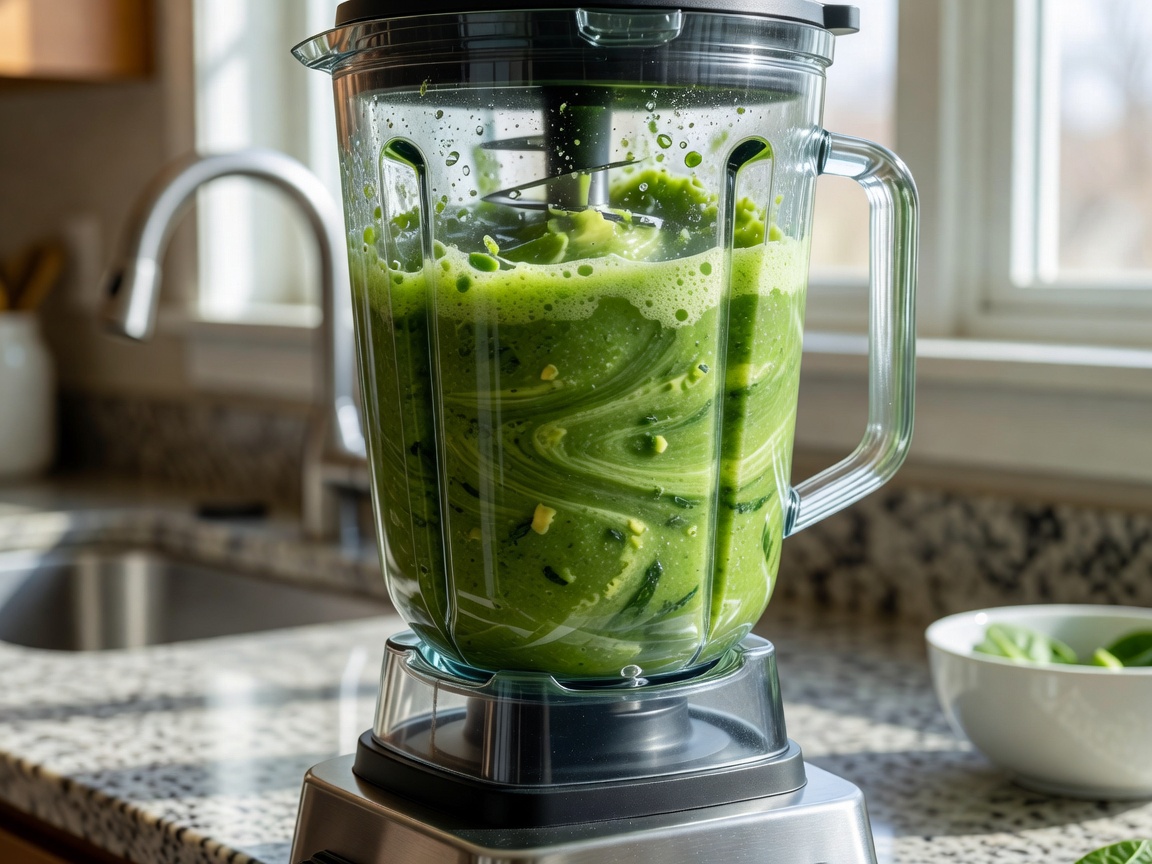
When outfitting a kitchen, the blender is often viewed as a simple utility device. However, bridging the gap between a rudimentary smoothie maker and a professional-grade culinary tool requires a fundamental understanding of motor power, blade design, and fluid dynamics. In this guide, we evaluate the core components that dictate blender performance.
The Physics of Blending: Cavitation and Vortex
A true high-performance blender does not merely slice ingredients; it pulverizes them through a process dependent on a strong vortex and a phenomenon called cavitation. When blades spin at sufficiently high revolutions per minute (RPM), they create pressure differences in the liquid. This forms micro-bubbles that violently collapse, tearing apart cellular walls in fruits, vegetables, and seeds. This is why high-end categories can render hot soups from cold ingredients purely through mechanical friction.
To achieve this, the pitcher's geometry is just as critical as the motor. Containers designed with distinct fluted sides or squared-off corners interrupt the circular flow of ingredients, folding them back down into the blade assembly rather than allowing them to spin aimlessly around the perimeter.
Motor Specifications: Look Beyond Peak Horsepower
Manufacturers frequently advertise "peak horsepower" as the primary metric of a blender's capability. While a high peak horsepower (often stated between 2.0 and 3.0 HP in premium categories) is indicative of initial torque, the sustained running wattage is a more accurate measure of a motor's endurance under a heavy load, such as thick nut butters or dense frozen fruit bowls.
Blenders with inadequate thermal protection or smaller internal cooling fans will quickly overheat when tasked with sustained friction-based blending. Look for categories that emphasize thermal overload protection and heavy-duty metal drive sockets, which connect the motor base to the pitcher assembly.
Material Considerations: Glass vs. Tritan Plastic
Historically, glass was the preferred material for blender pitchers due to its resistance to absorbing odors and its clarity. However, in the high-performance sector, shatter-resistant co-polyester plastics (like Tritan) have become the industry standard.
- Co-polyester Plastics: Dramatically lighter, practically shatterproof, and capable of safely withstanding the violent impacts of ice and frozen ingredients at high RPMs.
- Glass Pitchers: Heavier, prone to shattering under high-torque stress or thermal shock, and generally restricted to lower-wattage appliance categories.
- Stainless Steel: Occasionally found in commercial settings for maximum durability, though it obscures the view of the blending process.
Interface and Controls
The control interface usually falls into two categories: manual and programmable. Manual interfaces, characterized by a physical variable speed dial and toggle switches for pulsing, offer tactile, immediate control. This is often preferred by culinary professionals who need to make micro-adjustments on the fly. Programmable interfaces utilize digital touchscreens with pre-set cycles for smoothies, hot soups, or self-cleaning. While convenient, touchscreens can be unresponsive when operated with wet hands and introduce complex electronic components that may affect long-term repairability.
Maintenance and Longevity
Maintaining a high-end blender primarily involves protecting the bearing assembly located at the base of the pitcher. Prolonged exposure to standing water or running the blender through standard dishwasher cycles can degrade the seals around these bearings, leading to rust, leaking, and eventual failure. The recommended cleaning method is simple: fill the pitcher halfway with warm water, add a single drop of dish soap, and run the machine on high for thirty seconds before rinsing thoroughly.
By prioritizing sustained motor power, appropriate pitcher materials, and proper cleaning techniques, a well-chosen blender transitions from a seasonal smoothie maker to an indispensable, daily-use culinary engine.